Details of aesthetic dentistry procedures such as the smile design process, zirconium crowns, porcelain veneers, and implant treatment. What you need to know for a confident smile.
Smiling is one of the strongest, most sincere, and most effective means of communication a person has. The smile you see when you look in the mirror affects not only your physical appearance, but also your mood, self-confidence, and stance in social life. However, over time, yellowed teeth, misalignment, gum asymmetries, or missing teeth cause many people to hide this natural act. This is exactly where smile design, the most popular application of modern aesthetic dentistry, comes into play.
Smile design does not simply mean creating "white and straight teeth." This procedure is the creation of a completely personalized work of art that is in perfect harmony with your facial features, age, gender, lip structure, and even your character. In 2026, with the rapid development of technology, treatment processes have become much more predictable, faster, and more comfortable thanks to digital dentistry.
So, how is a truly flawless smile design planned? Which treatment methods are used, and how long does the process take? In this comprehensive guide, we cover the transformative power of aesthetic dentistry in all its details.
What Is Smile Design?
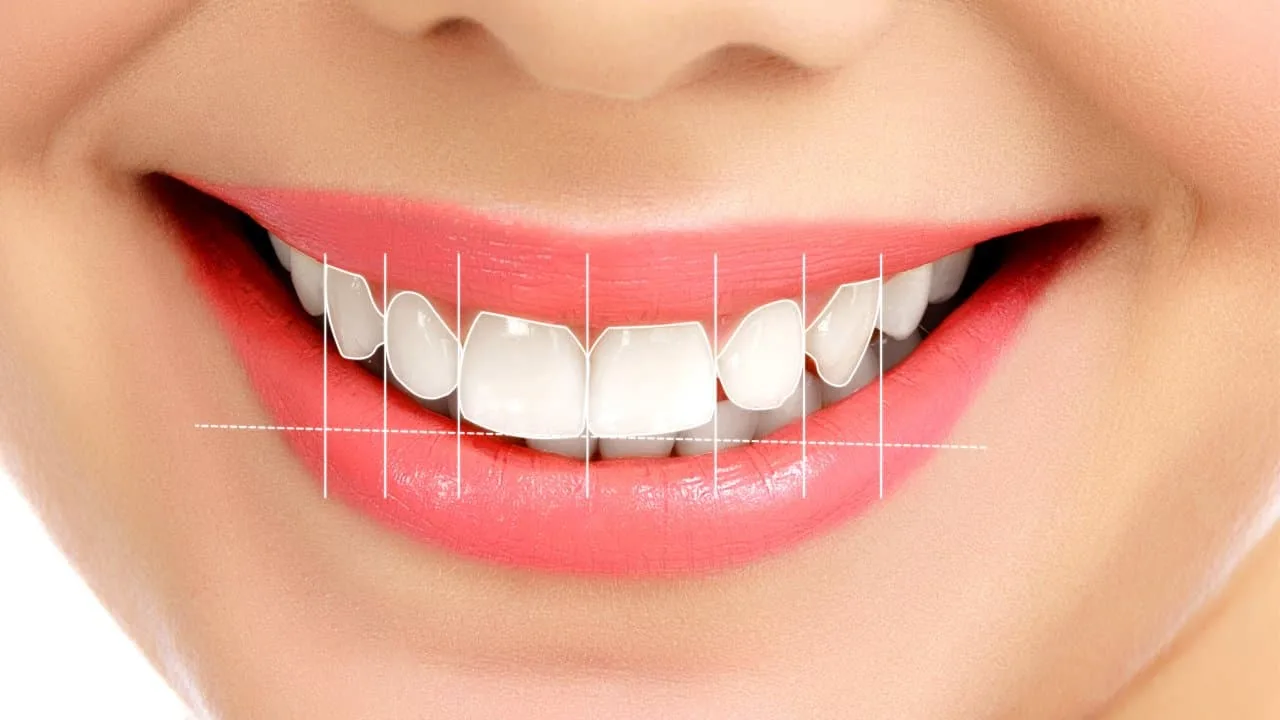
In short, smile design is the process of restoring teeth and gums that have lost their aesthetic appearance for various reasons to a natural and aesthetic look that best suits the patient's facial shape and needs. This process is not a one-size-fits-all treatment. On the contrary, it is a multidisciplinary approach in which different aesthetic and medical dentistry procedures are brought together according to the patient's needs.
First of all, aesthetics cannot be discussed without a healthy oral structure. Therefore, before moving on to the design stage, cavities in the mouth are treated, gum disease is addressed, and any missing teeth are completed. Then, with an artistic perspective, the aesthetic touches begin.
According to Which Criteria Is a Successful Smile Design Planned?
To create a natural and aesthetic smile, specialist dentists evaluate many different variables together. Every person's facial anatomy is unique, like a fingerprint. Therefore, a tooth structure that looks perfect on someone else may look artificial or incompatible on your face.
The main criteria considered when creating the ideal smile design are as follows:
1. Facial Features (Geometric Harmony)
The shape of your face (oval, square, round, or long) directly determines the tooth form to be selected. For example, for a person with square facial features, oval-shaped teeth are designed to soften the expression. On the other hand, for a patient with a round face, longer tooth forms can make the face appear slimmer and longer.
2. Gender Factor
Just as the facial anatomy of women and men differs, so do tooth forms. In women, the corners of the teeth are generally softer and more rounded; the smile line curves upward. In men, teeth are more angular, pronounced, and in a straighter line. These characteristic features increase the credibility and natural look of the design.
3. Age Factor
As years go by, wear occurs in the enamel and teeth shorten. At the same time, the upper lip muscles succumb to gravity and sag; this causes less of the upper teeth and more of the lower teeth to show when smiling. With smile design, by lengthening the teeth and providing lip support, the patient regains the energetic and youthful expression of years past (anti-aging effect).
4. Gum Level and Lip Harmony (Pink Aesthetics)
It is not enough for only the teeth to be perfect; the "frame" surrounding the teeth, namely the gums, must also be flawless. Excessive gum display when smiling (Gummy Smile) or asymmetrical gum levels seriously disrupt aesthetics. Using laser technologies, gum levels are equalized and an ideal proportion with the lips is achieved.
2026 Digital Dentistry: How Does the Process Work?
Today, digitalization has reduced the margin of error in smile design to zero. Digital scanners, which have replaced traditional impression materials, offer a much more comfortable experience for patients. A smile design process generally consists of the following stages:
First Step: Detailed Examination and Collection of Digital Records
At the first appointment, the patient's expectations are listened to in detail. Then, a 3D digital measurement of the teeth is taken with intraoral scanners. At the same time, professional photos of the patient from different angles and videos during speaking/smiling are recorded. This visual data is transferred to special computer software.
Second Step: Digital Design and Mock-Up Stage
In light of the collected data, the dentist designs the tooth length, form, and color that best suit the patient's face in a digital environment. However, the most exciting part is the "Mock-up," or trial stage. The design prepared on the computer is applied directly onto the patient's own teeth with a temporary material (without any cutting or reduction on the teeth). In this way, the patient sees live in the mirror the smile they will have at the end of the treatment. At this stage, the patient's opinions are taken, any desired changes are made immediately, and the design is finalized.
Third Step: Application of the Treatments
After the design is approved, the medical process begins. Depending on the scope of the planned treatment (crowns, laminates, implants, etc.), the teeth are prepared. New teeth are produced in the laboratory using craftsmanship and 3D printer technologies.
Fourth Step: Permanent Application and Happy Ending
At the final appointment, the prepared custom porcelain or zirconium restorations are permanently bonded to the teeth. Bite checks are performed, and the patient leaves the clinic with the smile of their dreams.
Which Treatments Are Applied Within the Scope of Smile Design?
As we mentioned earlier, smile design is not a single procedure, but a combination of procedures. Depending on the need, one or more of the following treatments may be applied at the same time:
1. Zirconium Tooth Crown
Zirconium is an excellent option for those seeking both aesthetics and durability. Unlike traditional metal-supported porcelain, it has white zirconium in its substructure. Thanks to this, its light transmission is very close to natural teeth and it does not create a purple/black reflection on the gum. It is especially durable enough to withstand the chewing force of back teeth and aesthetic enough to look natural on front teeth.
2. Porcelain Laminate (Porcelain Veneer)
It is the most conservative and most popular approach in front-tooth aesthetics. These are porcelain shells as thin as contact lenses, applied by removing a millimetric amount (0.3 - 0.7 mm) from only the front surfaces of the teeth or sometimes without any reduction at all (prepless laminate). They deliver excellent results in the treatment of stained, slightly crooked, or spaced teeth (diastema).
3. E-Max Tooth Crown
E-Max, a reinforced glass ceramic, is considered the peak of aesthetics. Since it contains no metal, its light transmission is at the highest level. It is among the first choices of dentists when perfect translucency and naturalness are desired in anterior teeth.
4. Implant Treatment
If there is a missing tooth in the aesthetic zone, titanium tooth roots, namely implants, are placed in the missing area without touching the adjacent teeth. Zirconium or porcelain crowns made on top of implants strengthen the integrity of the smile. Today, in the presence of proper bone structure, temporary aesthetic teeth can be placed on the same day the implant is inserted.
5. Pink Aesthetics (Gingivoplasty and Gingivectomy)
Perfect teeth should be framed by healthy and symmetrical gums. Using laser or electrocautery devices, gum lengths are equalized, any asymmetries are corrected, and excessively visible gums (Gummy Smile) are brought to the ideal level. This procedure is usually bloodless and the healing process is very fast.
6. Teeth Whitening (Bleaching)
If the patient has no problem with tooth form or alignment and is only complaining about the shade, the tooth color can be lightened by several shades with professional teeth whitening performed in a clinical setting. Laser-assisted whitening procedures offer a bright smile safely without harming the enamel.
What Are the Advantages of Smile Design?
Increased Self-Confidence: Being able to laugh freely without hiding your smile provides great psychological relief. You leave a more positive impression in social and professional life.
Younger Appearance: Providing lip support and bringing teeth to their ideal form creates a natural "anti-aging" effect on the face. Hollowing in the facial muscles is eliminated.
Functional Improvement: Smile design improves not only aesthetics but also chewing and speaking functions. Since proper bite is achieved, jaw joint problems are prevented.
Healthy Gums: Thanks to the perfect harmony of the restorations with the gums, food accumulation is prevented, and oral hygiene is easier to maintain.
Post-Treatment Care and Longevity
To ensure that a carefully crafted smile design accompanies you for life, paying attention to your oral hygiene is vitally important. One should not fall into the misconception that "since they are porcelain teeth, they cannot decay." Porcelain does not decay; however, the tooth tissue underneath and the surrounding gums can become diseased.
In addition, regular care routines should not be neglected:
Teeth should be brushed at least twice a day with a fluoride toothpaste.
Plaque between the teeth must definitely be cleaned with dental floss or an interdental brush.
The use of an oral irrigator provides great benefit, especially in cleaning around porcelain veneers and implants.
Regular dental check-ups should be done every 6 months, and professional tartar cleaning should be performed.
Hard-shelled foods such as hazelnuts and walnuts should not be cracked with the teeth, and harmful habits such as biting pens or nail-biting should be avoided.
What Determines Smile Design Prices?
Smile design prices vary greatly from patient to patient, as they require a completely personalized plan. The main factors determining the cost of the process are as follows:
The type of material to be used (Zirconium, E-Max, Laminate, etc.)
The number of teeth to be treated
Whether surgical interventions such as implant treatment or pink aesthetics are included in the procedure
The clinic's technological equipment and the dentist's expertise
To get an exact price and treatment plan, the best approach is to have an examination with a specialist aesthetic dentist.
Conclusion
Smile design is an application where art and medicine come together perfectly, with the power to change your life. Thanks to the modern digital dentistry technologies of 2026, you can now achieve the smile of your dreams through highly predictable and comfortable processes, without long and tiring sessions. Remember, a healthy and aesthetic smile is one of the most valuable investments you can make in yourself. Take the first step to discover the smile that reflects you best, and start your digital design process with a specialist dentist.